Last week the council published their proposals for the West Moseley Traffic Reduction Scheme. I wrote about the details here
I would like to try to explain the rationale for the proposal to put a modal filter on Moor Green Lane using an Experimental Traffic Regulation Order (ETRO).
Firstly, I would like to reassure residents there are no plans to put a similar filter on Russell Road. That option was considered by officers, who were looking at possibly incorporating it into the Cannon Hill Park to Moseley cycle lane extension, but it was not taken forward to the design stage.
The proposal for a filter on Moor Green Lane has come about due to the many concerns raised from residents of Russell Road, Reddings Road and Moor Green Lane about the volume of traffic, speeding and dangerous driving in residential roads in West Moseley. Some residents have been campaigning for action for many years.
Queensbridge Secondary School and Moor Green Primary School report excessive volumes of traffic, inconsiderate parking and speeding. Many parents say they feel their children are unsafe travelling to school by bicycle or foot, and they have no option but to ferry them by car. There are also two special needs schools in the area, Uffculme and Fox Hollies.
A traffic calming scheme proposed in 2022 for Russell Road was shelved in 2024 due to the excessive cost – approx. £620,000 pounds and rising. Costs of installing infrastructure have increased astronomically since Brexit and the Pandemic.
It was also felt that the scheme would not reduce the volume of traffic, which is a priority of the council as part of the Birmingham Transport Plan.
One modal filter in one location is much cheaper to install than a traffic calming scheme over a wider area. A modal filter in Moor Green Lane will likely cost less than a 10th of the previously proposed measures for Russell Road.
As much as everyone wants speed cameras, they are unlikely to be considered a priority for 20mph roads until there is a change of law. Speeding fine revenue goes straight to the government treasury and is used for general government expenditure. This means the cost of installation and maintenance of any speed cameras has to be met by the council and costs of administration of the offences are met by the police, with no revenue coming back other than for speed awareness courses, which does not cover the costs. There are currently only six speeding camera sites in Birmingham. Although work is on going to add more, they will inevitably be placed on arterial A routes within the city.
Neither calming nor cameras will reduce traffic volume, which has got steadily worse in residential streets, mainly due to the use of satellite navigation systems.
Faced with these barriers to addressing the many complaints and campaigns the council officers looked at a wider area than Russell Road. They discovered most of the traffic travelling through the West Moseley area comes via Moor Green Lane. They estimated if they stop the through traffic using this route it will reduce the amount of traffic using all the residential streets as a cut through by up to half and most of what will subsequently come into the area will be local.
It is anecdotally argued that local people are less likely to speed or drive dangerously in their own neighbourhoods. Indeed, if you look at roads where through traffic is restricted there is evidence of a much lower rate of collisions.
Less traffic, fewer collisions and reduced amount of speeding will make the area much safer, especially outside the schools.
There is of course a potential for the traffic to be displaced to other roads. This is why the proposal would be undertaken with an experimental /trial order rather than an immediate permanent one. There would be monitoring of traffic volume and flows across the area before and after the filter is installed. If it doesn’t work or it causes undue problems to other roads it can be removed. The ETRO involves consultation prior to implementation and during the first six months of it being installed.
The advantage to installing a filter is safer, more pleasant streets, which for people who are able to cycle or walk or use a mobility scooter, will encourage and empower them to use their car less often.
The disadvantage is that if you do need to drive somewhere it may be slightly longer. But, overall the number of short journeys made by people will be reduced, as people use their cars less. That is not a bad thing, the major threat to air pollution is caused by traffic emissions.
I understand why people are concerned about the use of an ETRO. An implementation will happen much quicker than if a permanent scheme were being proposed and there is a belief the council may make it permanent at the end of the experimental period, despite majority opposition.
I have taken a lot of interest in the Kings Heath and South Moseley scheme since the first phase was implemented in 2020. It was not initially done very well and quite a number of changes have had to be made. It involved a much bigger series of measures, over many more streets than the West Moseley scheme is proposing. As a result opinion became very divided with as many residents wanting to keep and expand the scheme as those opposing. It is also still not fully complete with changes to the West side of the High Street planned, to replace modal filters with diagonal filters, creating more one way streets and the East side of the High Street and Moseley measures yet to be installed. The right turn from Vicarage Road to Alcester Road South is to be re-instated, which will ease the traffic build up at that junction. The biggest cause of traffic build up in Vicarage Road has long been from Camp Hill Schools and that has not been reduced, although the Pineapple Station opening should have a positive impact.
It is clear, however that lessons have been learned and a huge amount of consultation has gone into the second phase.
In contrast with that scheme the impact of one filter in Moor Green Lane will be much easier to measure, as will the level of local support.
I do urge everyone to go to one of the drop in events and talk to the officers and make them aware of how you feel both about the use of an ETRO and how you feel the scheme will affect you, whether it is positive or negative. I will be at both events as I do want to hear the feedback from residents.
Although I have outlined why the scheme is being proposed, that does not mean I won’t take into consideration all the reasons people give for why they oppose or support it. I understand there is no proposal that will satisfy the needs of everyone.
I hope this post helps at least explain why the proposal has come about and what it is trying to achieve.
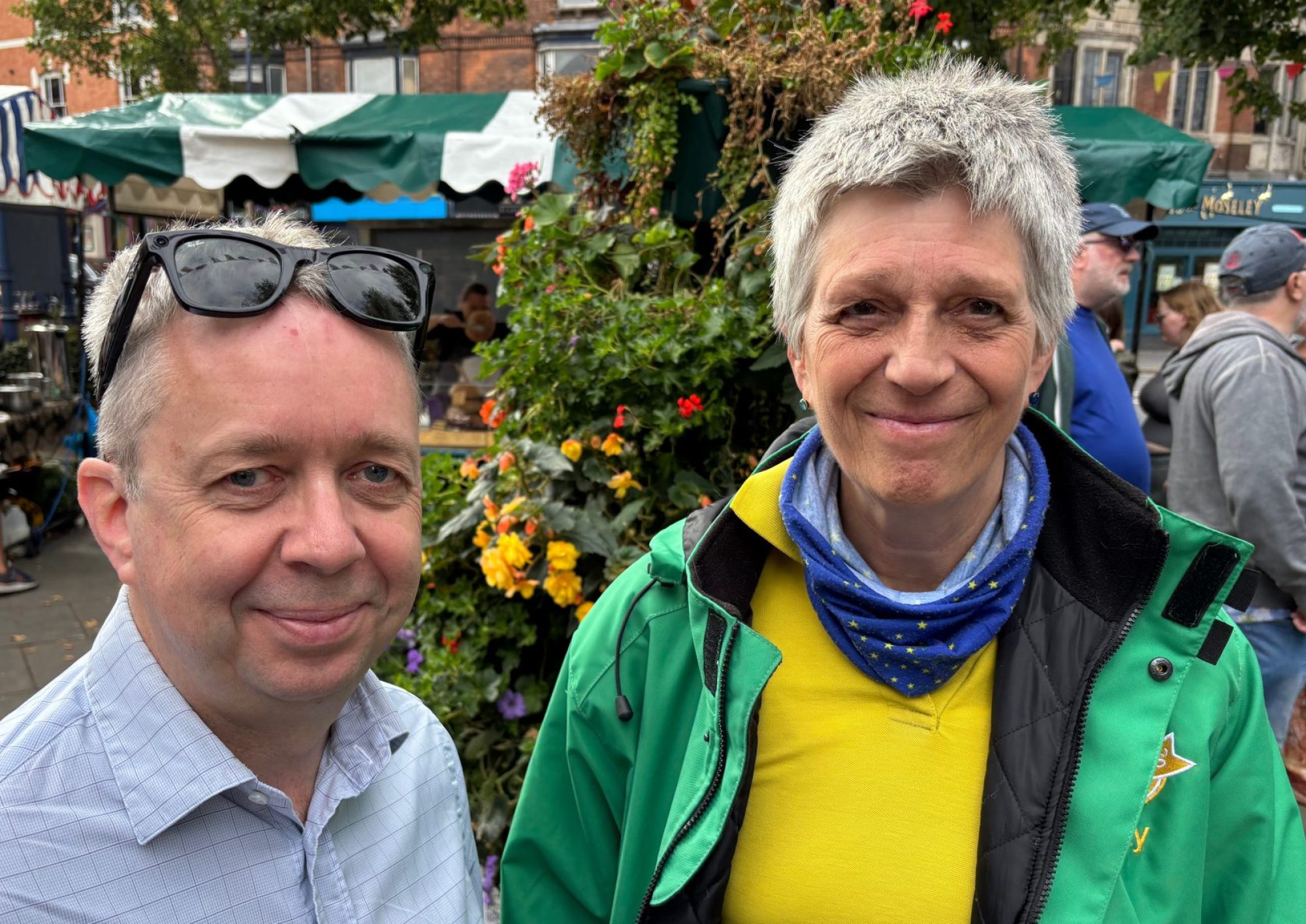


 Councillors Izzy Knowles, Philip Mills & Moseley Liberal Democrats